
What to Expect From a personalized consultation clinic
A useful dermatology consultation begins with a clear discussion of what you want to address, rather than a decision about a device or injectable. At Ode Clinic, the treating doctor conducts the consultation and considers your concerns alongside the expected timing of changes, potential side effects, and cost. The purpose is to develop a plan suited to your individual needs, not to apply the same treatment to everyone. You can also ask how progress will be assessed and what follow-up will involve.
Start With Your Main Concern
Before your visit, identify the change that concerns you most. You might want to discuss skin firmness, facial sagging, volume loss, fine lines, or texture. These concerns can overlap, but they do not necessarily call for the same approach. Explaining which area bothers you and what you hope will change gives the doctor a useful starting point. If you have more than one concern, consider which matters most to you and whether you would prefer a gradual or more immediate change.
It can also help to describe your preferences in practical terms. For example, tell the doctor if you are concerned about discomfort, want to understand recovery before scheduling, or have a particular event in mind. Mention previous aesthetic treatments and how your skin responded, as well as relevant medical conditions, medications, and allergies. A complete discussion of your medical history helps the doctor assess whether a proposed treatment is appropriate. Bring any information you have about previous procedures, including the treatment area and approximate timing. You do not need to arrive with a preferred procedure: an open discussion allows the plan to be shaped around your concerns.
A personalized consultation starts with your priorities and medical history. The treatment choice should follow that discussion, with enough time to consider what the procedure can reasonably address.
Understand the Consultation Process
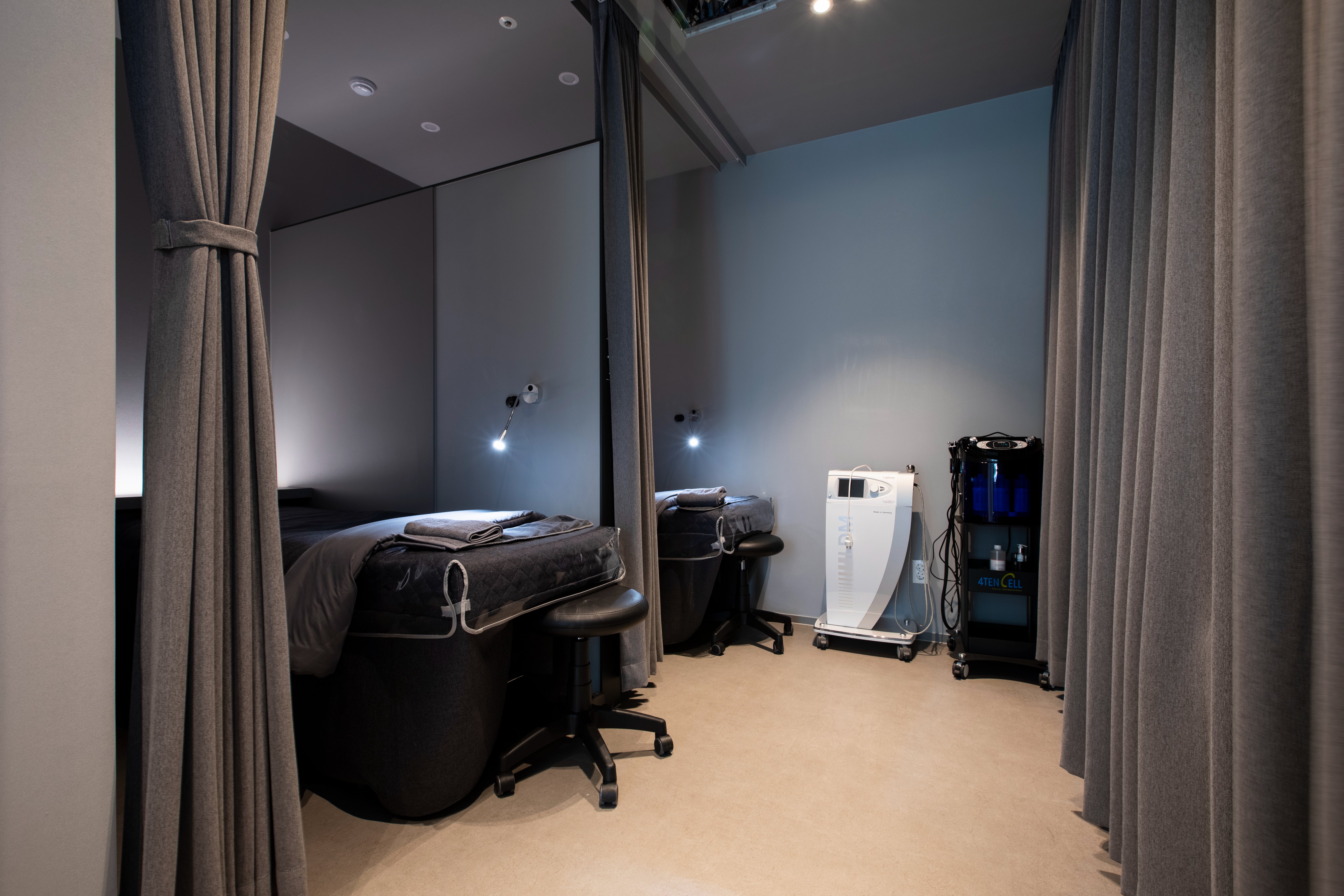
Ode Clinic’s care process includes arrival, a one-on-one consultation and treatment design, re-consultation, treatment in a private room, and customized care. During consultation, the doctor can explain the proposed treatment area and discuss why an option may suit your goals. The medical staff aim to listen closely to patient feedback and maintain a consistent approach before and after treatment. Consultation is also an opportunity to ask questions before deciding whether to proceed.
Ask the doctor to explain the intended purpose of each recommended treatment in plain language. A plan might focus on firmness, volume, or skin texture, and the distinction matters when you are deciding what outcome to expect. If more than one option is discussed, ask how the options differ in their approach, the timing of changes, and the care needed afterward. You can also ask whether the proposed plan involves repeat visits and how the doctor will assess your response. Taking notes can make it easier to compare the answers with your priorities. There is no need to choose a procedure solely because its name is familiar; the relevant question is whether it addresses your concern and fits your circumstances.
Prepare Questions Before Your Visit
A short list of questions can keep the consultation focused. Start by asking what the doctor observes, which concern a proposed procedure is intended to address, and whether there are alternative approaches. Ask about potential side effects, discomfort, recovery, and when changes may become noticeable. If you have concerns about facial volume or a previous treatment response, raise them before a plan is finalized. These details help make the discussion specific to you.
It is also reasonable to ask about the product or device involved and how the treatment will be designed. Ode Clinic states that genuine products and precise dosages are part of its approach. For injectable treatments, you can ask what product is proposed, where it would be placed, and how the amount is determined. For device-based treatment, ask which areas would be treated and how the plan accounts for your skin and facial features.
| Topic | Question to ask |
|---|---|
| Treatment goal | Which of my concerns is this intended to address? |
| Procedure design | Which areas and products or devices are included? |
| Practical considerations | What are the expected cost, recovery, and follow-up arrangements? |
Use the answers to decide whether you understand the recommendation and feel ready to proceed. A helpful explanation should connect the procedure to your stated goal, while acknowledging that outcomes differ by individual. If a term is unfamiliar, ask the doctor to explain it. You can also ask which aspects of a proposed plan are essential to the treatment and which are options to consider later. The aim is an informed decision, not a rushed one.
Comparing Treatments at a personalized consultation clinic
Ode Clinic offers procedures for lifting and tightening, facial volume, and skin quality. These categories address different concerns, even when more than one may be relevant to the same patient. The medical staff have experience with device-based lifting procedures and injectable treatments, including fillers. Comparing treatments by their intended purpose is more useful than assuming one procedure can address every concern. The doctor can explain which options fit your assessment and discuss their respective considerations.
Lifting and Tightening Options
Ultherapy Prime uses focused ultrasound, while Thermage FLX uses radiofrequency energy. At Ode Clinic, both are discussed as options for patients interested in changes to facial firmness or sagging, but their approaches differ. Ultherapy is used as a lifting treatment, whereas Thermage focuses on skin tightening. Density Alpha is another radiofrequency option. The doctor can consider your concern, facial features, and preferences when discussing whether a device-based treatment is appropriate.
When comparing these options, ask what change the treatment is intended to produce in the specific area that concerns you. A person focused on a sagging contour may have a different priority from someone focused on skin firmness or texture. The doctor can explain how the proposed treatment is designed and whether another approach should be considered. Also ask about discomfort and preparation. Ode Clinic offers nitrous oxide sedation as an option for Ultherapy and Thermage; the doctor can discuss whether it is appropriate for you. Changes may take time depending on the treatment and your individual condition. Understanding that timeline before treatment helps you plan follow-up and assess progress with realistic expectations.
Lifting and tightening treatments are not interchangeable simply because both are device-based. A useful comparison starts with the concern being treated, then considers the procedure’s approach, timing, and potential side effects.
Fillers and Volume Treatments
Injectable treatments are another part of Ode Clinic’s dermatology services. Fillers can be discussed for areas such as the cheeks, under-eyes, lips, and chin, depending on the individual assessment. Volume treatments such as Juvelook Volume and Sculptra take a different approach from conventional filler: they are used to stimulate collagen production. The doctor can explain the intended treatment area and how the proposed product relates to your concern.
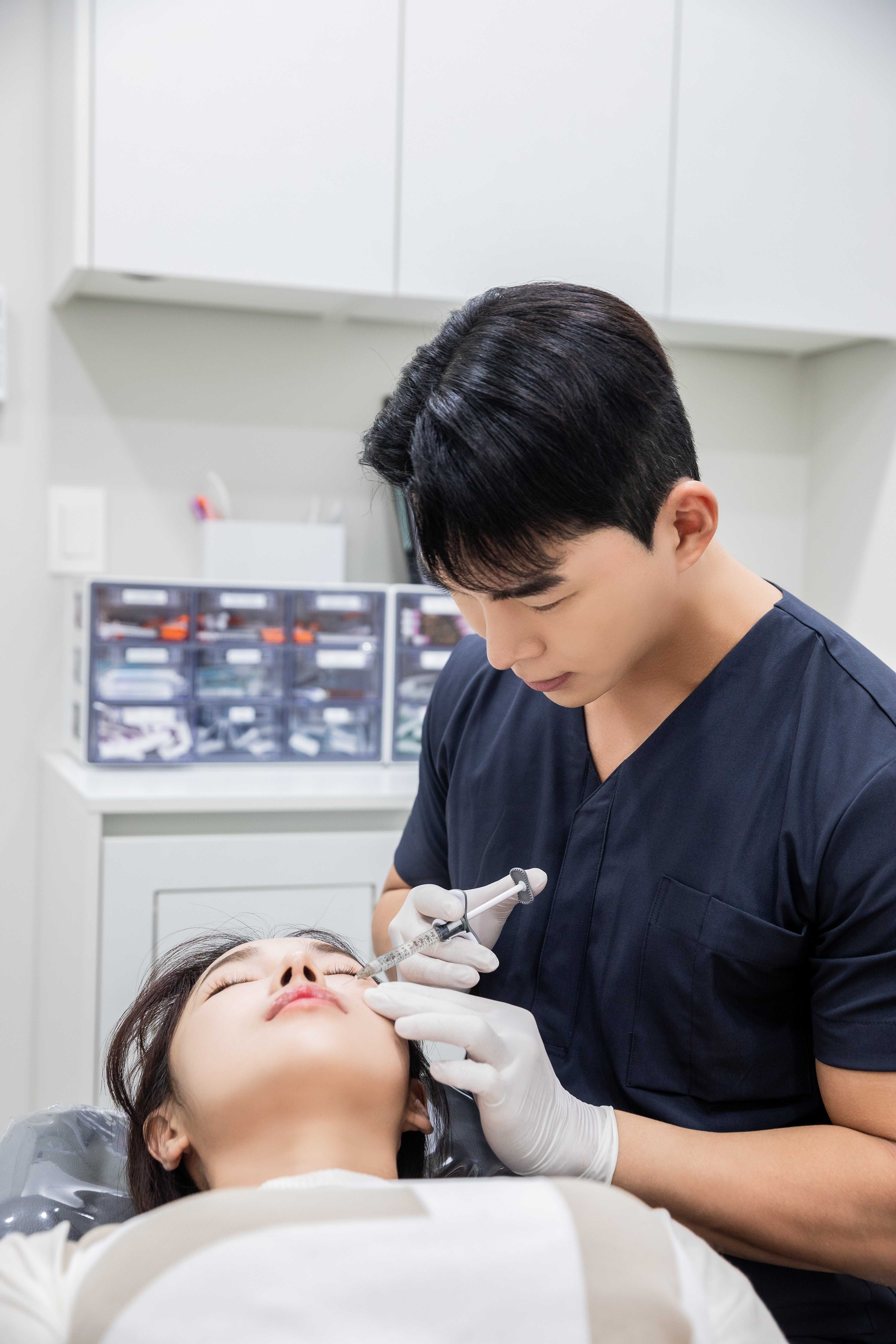
Before an injectable procedure, ask what product will be used, where it will be placed, and what changes it is intended to address. You can also discuss the expected timing of changes and whether a course of visits is proposed. Ode Clinic uses a preparation and injection protocol for Juvelook Volume, Sculptra, and Olidia that includes hydration, an individual vial for each patient, and injection at an appropriate depth. Even with a defined protocol, it is important to discuss potential side effects and the care you should follow afterward. Tell the doctor about previous injections in the area, including any reaction or concern. This information can be relevant when considering a further treatment plan.
Skin Boosters and Texture-Focused Care
For concerns such as texture, fine lines, pores, or hydration, the consultation may include a discussion of skin boosters. Ode Clinic offers treatments including Re2O, Juvelook Skin, and Rejuran. These products have different formulations and approaches, so the doctor’s assessment matters when selecting an option. Juvelook Skin, for example, is distinct from Juvelook Volume: the former is used for skin quality, while the latter is used for volume concerns.
If skin texture is your priority, ask which areas would be treated and how the proposed procedure is administered. At Ode Clinic, Juvelook Skin can be delivered by direct injection or with Mirajet, a needle-free jet-pressure device. Re2O can be administered using different injection approaches for concerns such as elasticity or texture. The doctor can discuss the proposed approach and explain how it relates to your skin and goals.
Different procedures may be discussed during the same consultation, but a longer treatment list is not necessarily the right plan for every patient. Ask the doctor to explain the role of each recommendation and whether your primary concern can be addressed first. You can also discuss the proposed sequence, the time between visits, and how progress will be reviewed. This helps you understand the plan as a whole rather than judging each procedure by name alone.
Planning Your Visit to a personalized consultation clinic
Good planning includes more than selecting a treatment. It means understanding the proposed cost, setting aside time for care, and knowing how to contact the clinic if you have questions afterward. Ode Clinic considers patient needs, the timing and duration of expected changes, cost, and potential side effects when discussing recommendations. Ask for a clear explanation of the complete proposed plan before agreeing to treatment. This includes any recommended repeat visits and follow-up.
Discuss Cost and Scheduling
Treatment cost depends on the procedure and the plan discussed with the doctor. Ask what is included in the quoted amount and whether the recommendation involves additional sessions. If more than one option is suitable for discussion, you can ask how the costs compare alongside the expected treatment process. A price is only one part of the decision; the treatment’s purpose, potential side effects, and follow-up also deserve attention.
Scheduling should reflect both the treatment plan and your own commitments. Ask how long the appointment is expected to take, whether preparation is needed, and what to expect immediately afterward. If the doctor recommends a series of visits, discuss the proposed interval and how progress will be reviewed between appointments. For an event or travel plan, share the date and ask whether the timing is appropriate. Some changes develop gradually, so the doctor can explain what to expect for the specific treatment being considered. It is also useful to ask what to do if you need to reschedule or have questions after your visit. A practical plan should be one you understand and can reasonably follow.
Cost and scheduling make the most sense when considered alongside the full treatment plan. Ask about preparation, repeat visits, and follow-up before deciding how to proceed.
Points to Consider Before Treatment
Every procedure should be considered in light of your health and preferences. Discuss your medical history, allergies, medications, and any previous reactions with the doctor. Ask about potential side effects and what signs or symptoms should prompt you to contact the clinic. The details will depend on the treatment proposed. If you are uncertain about a recommendation, request a further explanation or take time to consider your options before proceeding.
It is particularly important to distinguish a treatment’s intended effect from a promised outcome. Device settings, injection design, the area treated, and individual factors all form part of the discussion. The doctor can explain what a procedure is intended to address and what its limits are for your situation. If discomfort is a concern, ask about the options available for the procedure under consideration. You should also understand any care instructions before leaving the clinic, including when to seek advice about an unexpected response. Ode Clinic’s approach includes listening to patient feedback and maintaining care after the procedure as well as before it. Raise any questions that would help you feel informed about that process.
Make Follow-Up Part of the Plan
Follow-up provides an opportunity to discuss your response and review whether the treatment addressed the concern identified during consultation. Ode Clinic uses skin diagnostic photographs for before-and-after comparison and offers follow-up consultations. Ask when a review would be useful for your proposed procedure and what the doctor will assess. The timing can differ because some treatments produce changes gradually, while others are evaluated on a different schedule.
Between appointments, follow the instructions given by the medical staff and note any questions you want to raise. If you notice a response that concerns you, contact the clinic rather than waiting for a routine review. At follow-up, describe changes in the area that mattered most to you and discuss any remaining concerns. Photographs can support the conversation, but the doctor’s assessment and your own observations are both relevant to the discussion.
Finally, keep your original goal in view. Whether you are considering lifting, volume treatment, or skin-focused care, the most useful plan is one that connects your priorities with a considered medical assessment. Ode Clinic’s consultation process is designed to make that discussion central to treatment selection. Ask for clarification whenever you need it, and use the consultation and follow-up to make decisions at a pace that feels informed.



Frequently Asked Questions
Q.What does Ode Clinic offer?
A.Ode Clinic provides personalized dermatology consultations and treatments, including lifting and tightening procedures, fillers, and skin boosters. The treating doctor conducts the consultation and discusses a plan based on the patient’s needs.
Q.Who might consider a consultation at Ode Clinic?
A.A consultation may be useful for someone who wants to discuss facial sagging, skin firmness, volume loss, fine lines, or skin texture. The doctor assesses the individual concern before discussing treatment options.
Q.What treatments can I discuss during my consultation?
A.Options at Ode Clinic include Ultherapy Prime, Thermage FLX, fillers, Juvelook Volume, and skin boosters such as Re2O and Juvelook Skin. The doctor can explain which options are relevant to your concerns.
Q.What should I prepare before my appointment?
A.Consider your main skin concerns and bring details of previous treatments, medications, allergies, and relevant medical conditions. You can also prepare questions about treatment costs, potential side effects, and follow-up.
Q.Where is Ode Clinic, and how can I contact the clinic?
A.Ode Clinic is at 8F, Gyeongwon Building, 340 Gangnam-daero, Gangnam-gu, Seoul, Korea. For consultation or booking inquiries, call +82 2-569-0222.
Clinic Information
| Clinic | Ode Clinic |
|---|---|
| Specialty | Dermatology |
| Address | Seoul, Gangnam District, Gangnam-daero, 340 8F |
| Phone | +82 2-569-0222 |
| Website | https://odeclinicseoul.com/en |
 Ode Clinic