What a doctor led clinic means for dermatology care
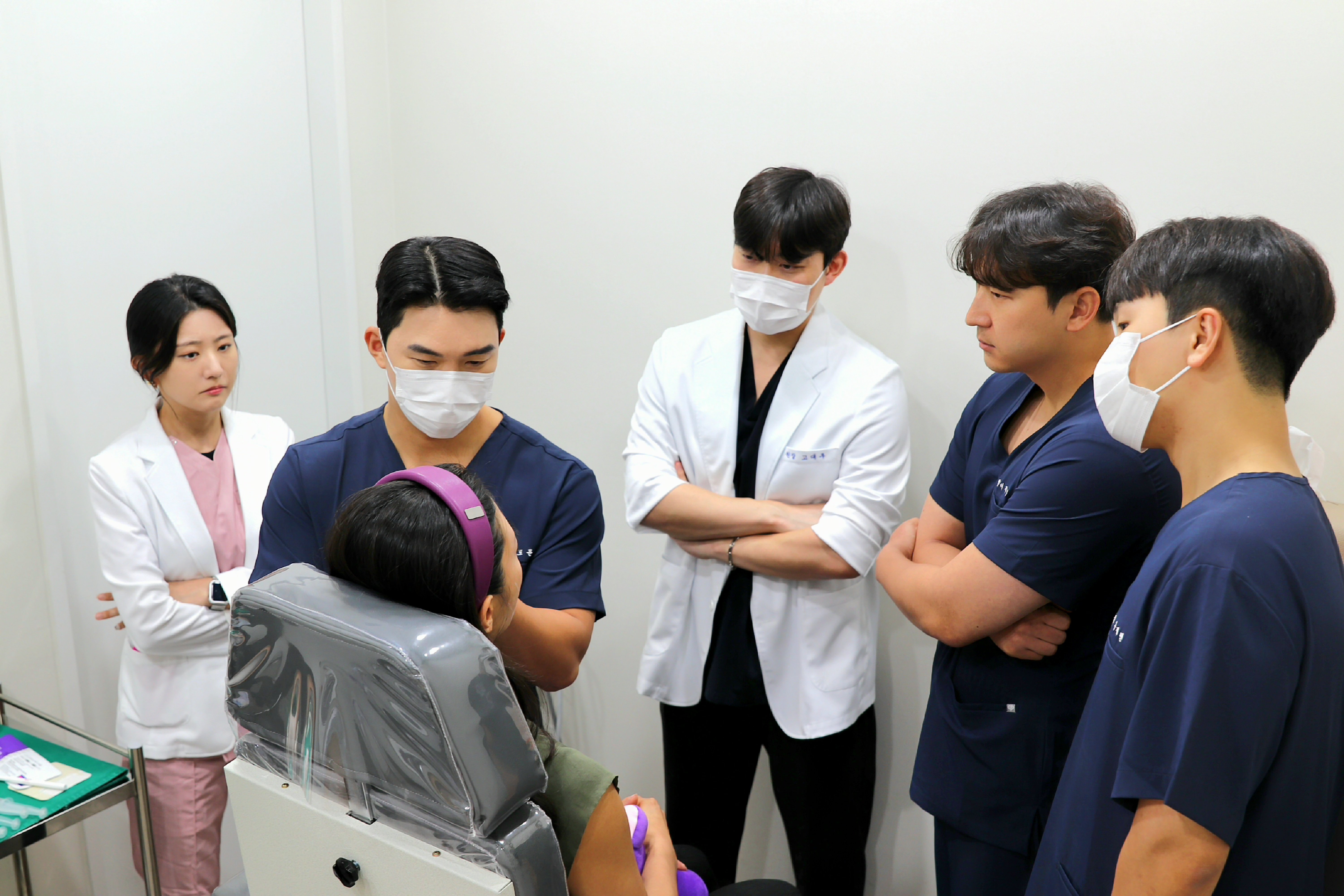
A doctor led clinic places direct medical consultation at the center of treatment planning. At Ode Clinic, the doctor who performs the procedure also consults with the patient across treatment areas. This gives patients an opportunity to discuss their concerns with the person responsible for designing and carrying out the procedure. The aim is to select care according to the individual, rather than apply the same treatment plan to everyone. The discussion can cover the patient’s goals, treatment options, expected timing, cost, and potential side effects.
Direct consultation with the treating doctor
A consultation is more than a chance to choose a procedure from a menu. It is a conversation about what the patient wants to address and how different approaches may fit that goal. For example, a patient concerned about facial sagging may need a different discussion from someone primarily concerned about skin texture. At Ode Clinic, the treating doctor takes part in that decision from the outset, explaining the proposed approach and giving the patient space to ask questions before proceeding.
During consultation, it helps to describe the specific change that prompted the visit. A concern such as a less-defined jawline, hollow cheeks, or a change in skin texture gives the doctor a clearer starting point than a request for a particular device alone. Patients can also explain which aspects of treatment matter to them, including the timing of visible change, the expected duration of effects, and the cost. The doctor can then discuss whether the requested procedure addresses the stated concern or whether another option deserves consideration. A treatment name is not a substitute for an individual assessment. The consultation also gives patients an opportunity to discuss potential side effects and clarify what follow-up will involve. The final decision should reflect both the medical assessment and the patient’s preferences.
The value of direct consultation is that the treating doctor can connect a patient’s goals with a specific treatment plan. Clear discussion before a procedure also helps patients understand what the treatment is intended to address.
Care tailored to the individual
Ode Clinic’s approach emphasizes personalized treatment rather than a uniform plan. A patient seeking improved firmness, for example, may have different priorities from a patient seeking volume in the cheeks. Even when concerns overlap, the appropriate discussion may differ because the desired result, treatment timing, and budget are not necessarily the same. Personalization begins with identifying the concern, then considering the available options and their respective roles.
In practical terms, an individualized plan should explain why a procedure has been proposed and which area it is intended to treat. It should also distinguish between the goals of lifting, tightening, volume treatment, and skin-quality care. These categories can overlap in conversation, but they do not describe identical treatments. For instance, radiofrequency tightening focuses on skin firmness, while an injectable volume treatment addresses a different concern. A patient can ask the doctor how each recommendation relates to the area of concern and whether more than one approach is being considered. The discussion should include potential side effects, not just the intended benefit. Ode Clinic also emphasizes listening to patient feedback and maintaining a consistent commitment before and after procedures. That approach makes the consultation part of an ongoing care process rather than an isolated sales decision.
From arrival to follow-up
Ode Clinic describes a care process that includes arrival, individual consultation and treatment design, re-consultation, a procedure in a private room, and customized care before departure. The steps give patients opportunities to discuss the plan and receive care appropriate to the procedure. Before-and-after diagnostic photographs can also support a follow-up conversation about changes over time. The exact treatment plan and follow-up discussion depend on the patient’s needs and the procedure selected.
Before-and-after images are a tool for discussion, not a promise of a particular outcome. Skin changes can be gradual, and individual responses differ. Comparing images with the treating doctor can help patients review the areas addressed and ask whether the observed changes are consistent with the treatment’s intended purpose. Ode Clinic uses diagnostic imaging and follow-up consultations as part of its approach to assessing change.
| Care stage | What it involves |
|---|---|
| Consultation and design | Discussing the patient’s concerns and treatment plan with the doctor |
| Re-consultation | Reviewing the plan before the procedure |
| Procedure | Treatment in a private room |
| Customized care | Care tailored to the patient following the procedure |
Patients can make the most of these stages by raising questions as they arise. Before treatment, ask what the procedure is intended to change and what sensations or recovery considerations to expect. After treatment, ask how to care for the treated area and when to discuss any concerns. Following the specific instructions given by the medical staff is more useful than assuming that every procedure has the same aftercare. A clear conversation also helps the clinic respond to patient feedback.
How a doctor led clinic matches treatments to concerns
Dermatology treatments differ in what they target and how they work. Ode Clinic offers procedures for volume, lifting, tightening, and skin quality, including injectable treatments and energy-based devices. A useful starting point is to identify whether the main concern is sagging, reduced firmness, a hollow area, or texture. Choosing between treatments is a clinical discussion, not simply a comparison of names. The treating doctor can explain the purpose of each option and how it relates to the patient’s priorities.
Lifting and tightening
Lifting and tightening are related goals, but the terms describe different approaches. Ultherapy Prime uses focused ultrasound and is discussed as a lifting treatment. Thermage FLX uses radiofrequency energy to target skin firmness and is discussed as a tightening treatment. Ode Clinic also offers Density Alpha and DEEP MODE XERF among its energy-based options. The doctor can review the area of concern and explain which treatment approach is relevant to the patient’s goals.
A patient who notices sagging may initially ask for a device because it is familiar. The more useful question is what the treatment is designed to do. Tightening treatments use energy to target skin firmness, while lifting treatments are selected with a different anatomical goal in mind. The distinction matters because a treatment aimed at firmness should not be presented as a direct substitute for every lifting concern. Timing matters too: changes following Thermage FLX can develop gradually as collagen remodels. Changes may take time depending on the individual condition and procedure. During consultation, patients can ask about the planned treatment area, the anticipated course of change, and the factors that influence the doctor’s recommendation. A discussion of potential discomfort and side effects should accompany the explanation of benefits.
Lifting and tightening should be chosen for the concern each treatment is intended to address. A direct consultation helps patients understand that distinction before deciding on a procedure.
Volume and skin-quality treatments
Volume treatment and skin-quality treatment also serve different purposes. Ode Clinic offers injectable volume options such as Hilowave and Juvelook Volume, as well as skin boosters including Re2O and Juvelook Skin. Hilowave uses a hyaluronic acid complex, while Juvelook Volume uses a collagen-stimulating ingredient. Re2O is a skin booster using processed human-derived dermal tissue. The doctor can explain which approach is relevant to the area and concern being discussed.
A patient focused on hollow cheeks may be considering a different treatment goal from someone concerned about fine lines, pores, or skin texture. Juvelook Volume and Juvelook Skin illustrate why the distinction matters: the clinic describes the former as a volume treatment and the latter as a skin booster. Re2O is also used for skin-quality concerns, with the injection approach chosen according to the treatment goal. None of these options should be treated as interchangeable solely because they are injectable. Patients can ask what material is used, where it will be placed, and how the proposed treatment relates to their concern. Ode Clinic emphasizes genuine products and precise dosage as part of its treatment approach. The doctor should also explain potential side effects and the follow-up plan before the patient decides whether to proceed.
Comparing options during consultation
A productive comparison starts with the intended purpose of each treatment. For a patient considering an energy-based procedure, the discussion might focus on sagging versus firmness. For someone considering an injectable procedure, it might focus on volume versus skin quality. Patients can ask whether the proposed treatment targets the concern directly, how changes are expected to develop, and what alternatives the doctor considered. The answers help establish realistic expectations without reducing the decision to a device or product name.
Cost is another legitimate part of the discussion, but it is most useful when considered alongside the treatment plan. Ask what the quoted procedure includes, which product or device will be used, and whether additional sessions are being recommended. A comparison should use equivalent treatment details rather than assume that every quote covers the same approach. Ode Clinic considers cost, timing, duration of effects, and potential side effects when discussing recommendations with patients.
| Treatment category | Examples at Ode Clinic | Discussion focus |
|---|---|---|
| Lifting | Ultherapy Prime | Sagging and the area to be treated |
| Tightening | Thermage FLX, Density Alpha | Skin firmness and timing of changes |
| Volume | Hilowave, Juvelook Volume | Hollow areas and the proposed injectable material |
| Skin booster | Re2O, Juvelook Skin | Skin texture and other skin-quality concerns |
The table is a starting point for conversation, not a guide to self-selection. More than one concern can be present, and a suitable plan depends on the doctor’s assessment and the patient’s preferences. Ask the doctor to explain the purpose of each recommended step and how the options differ. It is reasonable to take time to understand a plan before agreeing to it. That includes discussing the expected course of changes and the practical implications of treatment.
Preparing for a doctor led clinic consultation
Preparation can make a dermatology consultation more focused. Before visiting Ode Clinic, consider the area you want to discuss, what has changed, and what you hope treatment might address. It is also useful to think about your priorities, such as treatment timing, cost, or concerns about discomfort. Bring questions as well as treatment preferences: the doctor’s assessment may help clarify whether the procedure you had in mind fits your goal. An open discussion supports a more informed decision.
What to discuss with the doctor
Start by describing your main concern in your own words. You might be interested in facial firmness, a hollow area, or a change in texture. If you have a particular treatment in mind, explain why it interests you and ask what it is intended to address. You can also discuss previous procedures, relevant medical history, and any concerns about recovery. These details give the doctor context for discussing the proposed plan.
Useful questions include: What is the purpose of this treatment? How does it differ from the alternatives? What changes should I expect to discuss at follow-up, and when might those changes become visible? Patients can also ask about the product, device, treatment area, and proposed number of sessions. When costs are discussed, request a clear explanation of what the plan covers before deciding. If a recommendation involves more than one procedure, ask why each part is included and whether the sequence matters. The goal is not to arrive with a complete treatment plan, but to leave understanding the options being proposed. The consultation is also the time to mention relevant medications, allergies, or past reactions so the medical staff can consider them in the assessment.
A useful consultation connects the patient’s specific concern with an explanation of the proposed treatment. Questions about purpose, timing, cost, and follow-up are all appropriate before making a decision.
Points to consider before treatment
Every procedure should be discussed in terms of both its intended benefits and its potential risks. Depending on the treatment, patients may need to consider discomfort, redness, swelling, or other reactions. For radiofrequency treatment, burns or blistering can occur rarely. The doctor can explain the considerations relevant to the proposed procedure and provide instructions for the treatment area. Patients should report any concerns to the medical staff rather than relying on a general description of recovery.
It is also important to discuss how change will be assessed. Some treatments produce changes that develop gradually, while others have a different expected course. The timing and extent of change depend on the procedure and the individual. Before-and-after diagnostic photographs can provide a reference for a follow-up conversation, but photographs do not establish that every patient will experience the same outcome. Ask how to contact the clinic if a concern arises and what aftercare instructions apply to the procedure. If you have an upcoming commitment or a particular concern about visible redness or swelling, mention it during consultation. This gives the doctor an opportunity to address timing in the context of the proposed plan. Understanding the treatment and its potential effects is part of informed care.
Planning a visit to Ode Clinic
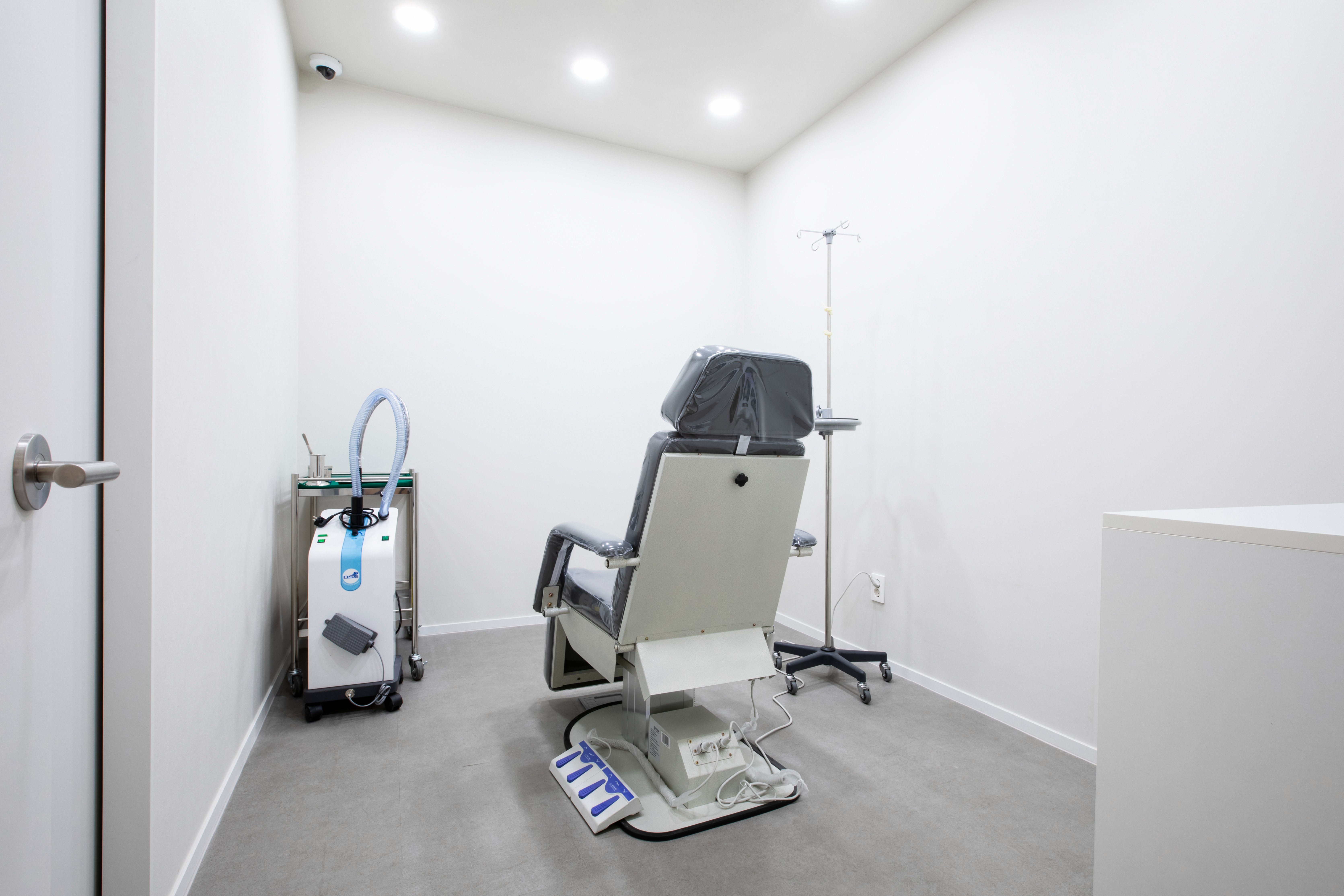
Ode Clinic is a dermatology clinic in Gangnam, Seoul. Consultations are conducted directly by the doctor who performs the procedure, and the clinic’s care process includes private treatment rooms. The clinic is open Monday through Friday from 11:30 AM to 8:30 PM and Saturday through Sunday from 10:00 AM to 4:00 PM, without a lunch break. Patients can use the consultation to discuss treatment suitability, practical details, and any questions about the proposed procedure.
When planning a visit, consider writing down the concerns and questions you most want to address. This can make it easier to compare the doctor’s explanation with your priorities, particularly if you are weighing lifting, tightening, volume, or skin-quality treatments. If you have received previous treatment, be ready to describe it to the medical staff. The consultation is also an opportunity to discuss the clinic’s approach to photographs, follow-up, and care after the procedure.
| Before your visit | What to prepare |
|---|---|
| Concerns | Note the area and change you want to discuss. |
| Medical history | Be ready to discuss relevant medications, allergies, and past procedures. |
| Treatment questions | Ask about the purpose, timing, potential side effects, and cost of the proposed plan. |
| Follow-up | Ask about aftercare instructions and how changes will be reviewed. |
Ode Clinic’s stated commitments include listening to patients, adapting treatment to the individual, and maintaining a consistent approach before and after procedures. Those commitments are most meaningful when patients can discuss their concerns openly and understand the proposed care. A well-informed decision begins with a clear explanation of what a treatment is intended to do, what considerations accompany it, and how follow-up will be handled.



Frequently Asked Questions
Q.What kind of care does Ode Clinic offer?
A.Ode Clinic provides dermatology care, including volume, lifting, tightening, and skin booster treatments. The doctor who performs the procedure conducts the consultation.
Q.Who might consider a consultation at Ode Clinic?
A.Patients who want to discuss concerns such as facial sagging, reduced firmness, hollow areas, or skin texture can seek a consultation. The doctor discusses treatment options in relation to the patient’s individual concerns.
Q.What treatments can I discuss with the doctor?
A.Options include Ultherapy Prime for lifting, Thermage FLX for tightening, and injectable treatments such as Hilowave, Juvelook Volume, and Re2O. The doctor can explain how each relates to your treatment goals.
Q.What should I prepare before my consultation?
A.Consider the area you want to address and bring questions about the proposed treatment, timing, potential side effects, and cost. Be ready to discuss relevant medical history, medications, allergies, and previous procedures.
Q.Where is Ode Clinic, and how can I contact it?
A.Ode Clinic is at 8F, Gyeongwon Building, 340 Gangnam-daero, Gangnam-gu, Seoul. The phone number is +82 2-569-0222.
Clinic Information
| Clinic | Ode Clinic |
|---|---|
| Specialty | Dermatology |
| Address | Seoul, Gangnam District, Gangnam-daero, 340 8F |
| Phone | +82 2-569-0222 |
| Website | https://odeclinicseoul.com/en |
 Ode Clinic